Read, practice, print what helps, and leave. PsiGrid does not save your answers, targets, notes, timers, progress, or training outcomes. First-party website analytics records aggregate page use without persistent visitor or session identifiers.
This regimen is a flexible guide, not a fixed course. Practice in any order, follow what draws your attention, repeat what helps, and adapt the exercises to your own intuitive way of teaching and learning.
Everything, Everyone, and Everywhen is but a blink of an eye away.
Use any order
The complete regimen
Start with one simple game, notice the first signal, and gently follow it.
Step 1
Mindfold opening
Materials: A comfortable Mindfold or other safe light-blocking mask.
Put on the Mindfold and sit comfortably.
Keep the mood playful rather than treating the practice like a test.
Notice whether the space feels bright, dark, open, close, still, or active.
Step 2
Gentle 3-3-3-3 breathing
Materials: No equipment required.
Breathe in for 3 seconds, hold for 3, breathe out for 3, and hold for 3.
Repeat three relaxed rounds without forcing the breath.
Pause and notice whether your perception feels different.
Step 3
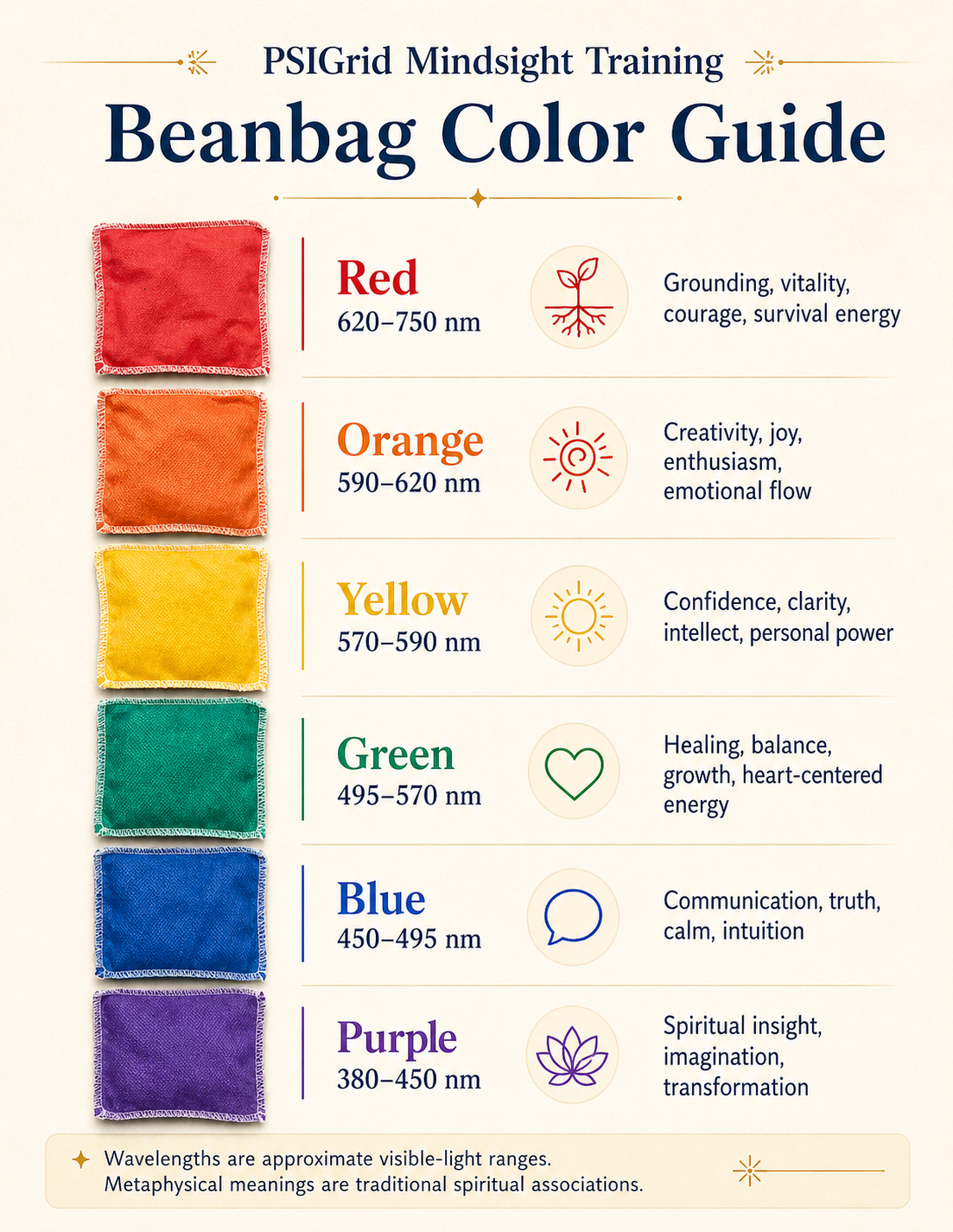
Colored beanbag tracking
Materials: Several colored beanbags and, optionally, a practice partner.
Place or slowly move one beanbag while ordinary vision is blocked.
Sense left, right, near, far, center, movement, brightness, pressure, warmth, or color.
Check gently, then repeat the colors or movements that feel clearest.
Step 4
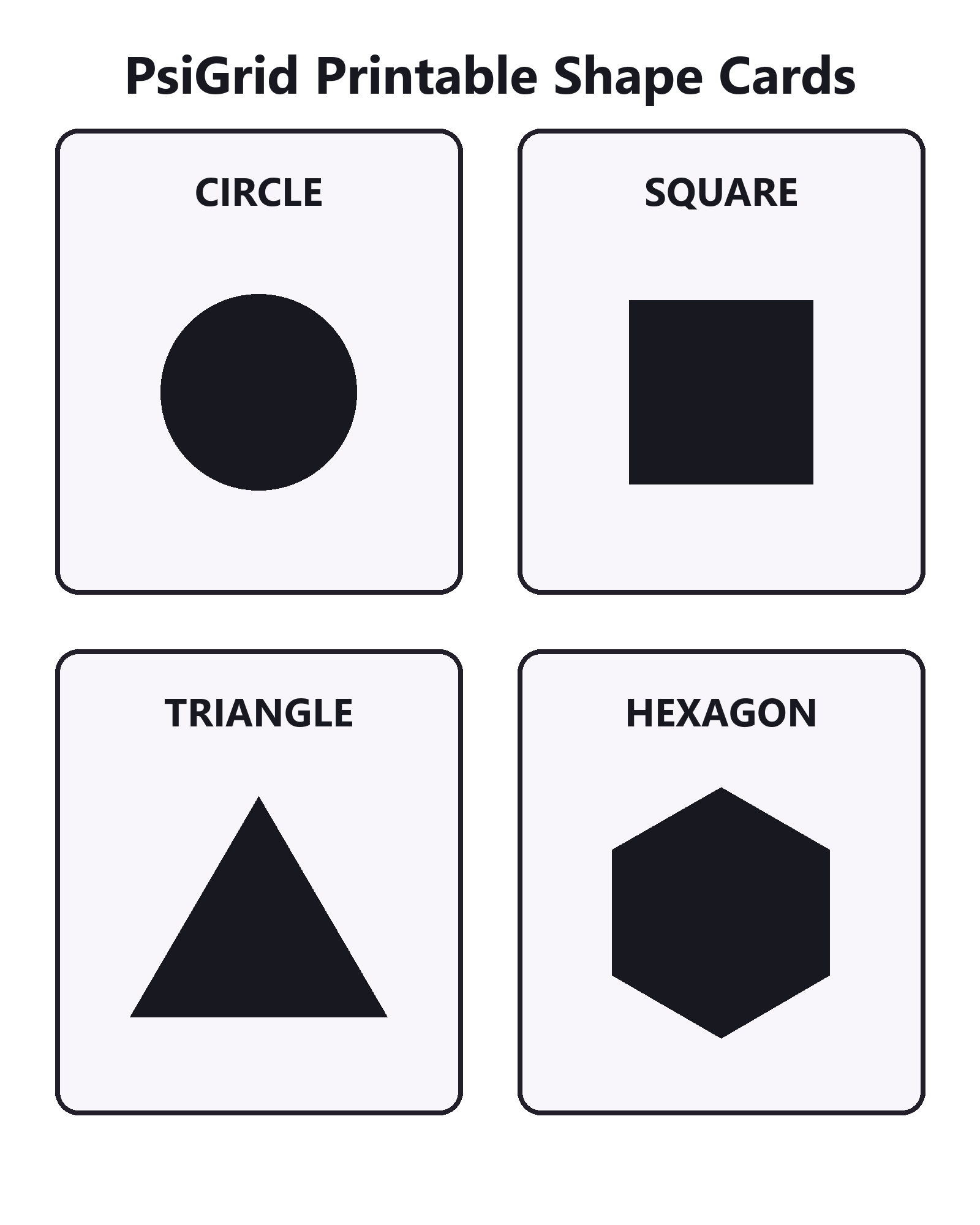
Printable shape cards
Materials: Printed PsiGrid shape cards.
Place one card in front of you while wearing the Mindfold.
Notice whether it feels round, pointed, boxed, curved, or many-sided.
Reveal the card and repeat whichever shapes produce the clearest impressions.
Step 5
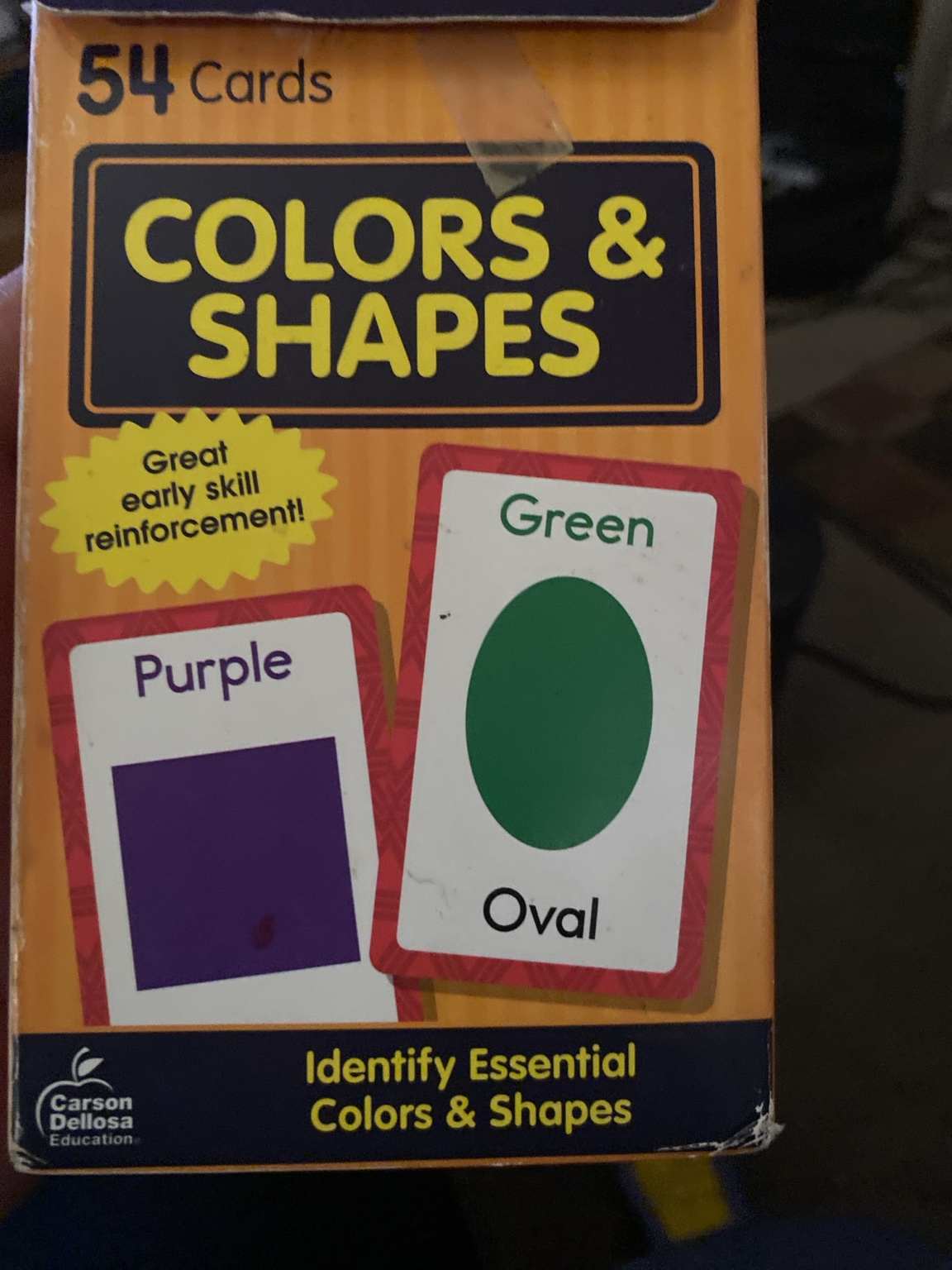
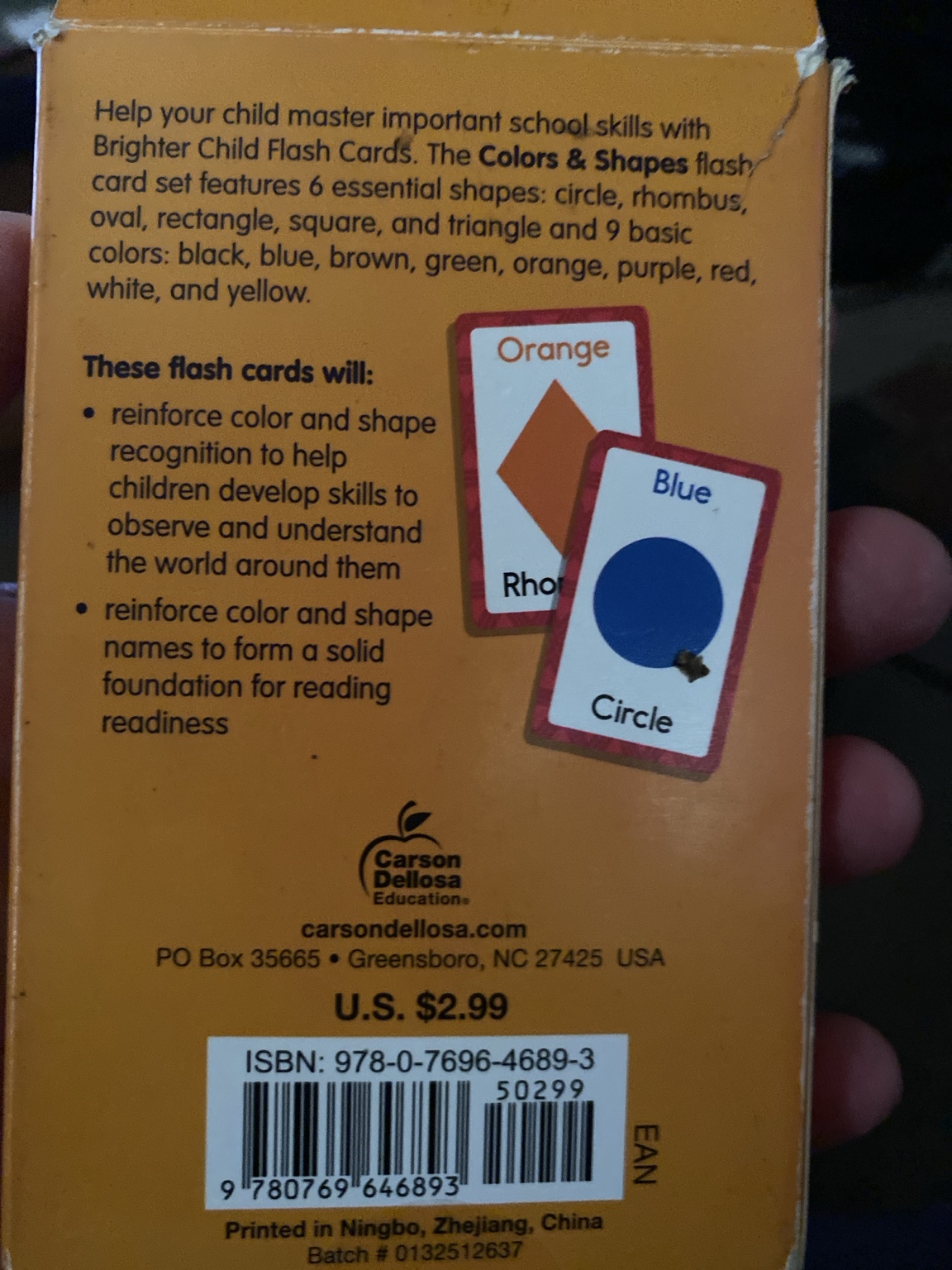
Colors and shapes flash cards
Materials: A colors-and-shapes flash-card deck.
Shuffle the deck and choose one hidden card.
Notice one thing first: color, shape, edge, word impression, body feeling, or quiet knowing.
Check gently and continue with the signal type that feels most natural.
Step 6
Dice prediction
Materials: Start with one standard white die. Add another die only after the first method feels comfortable.
Hold the die in your hand and picture a white square with dots on it.
Before you roll, relax and notice how many dots you first see, feel, or quietly expect.
Commit to that first impression, roll the die, and check the result without judging yourself.
Keep practicing until the dots begin to feel clearer before the roll.
When one die feels comfortable, try adding another die. Practice by yourself or with a partner and keep it fun.
Stop before you burn out. Switch to another method or take a break whenever the practice feels tiring or forced.
Step 7
Movement tracking
Materials: A beanbag, hand, safe moving object, or practice partner.
Have the target move slowly left, right, closer, or farther.
Point toward or describe the movement.
Use people only when everyone is comfortable; objects are a simple starting point.
Step 8
Light detection
Materials: A small safe LED or phone flashlight pointed away from the eyes.
With the Mindfold on, have a partner turn the distant light on, off, or blink it.
Describe whether the space feels brighter, darker, flashing, or unchanged.
Increase distance or stop if the light feels uncomfortable.
Step 9
Body-sensing practice
Materials: No equipment required.
Hold one hand outside ordinary view and slowly move one finger.
Notice location, movement, outline, warmth, pressure, texture, or another body signal.
Try stillness instead when still targets feel clearer.
Step 10
Session close
Materials: No equipment required.
Stop before the practice becomes tiring, pressured, or frustrating.
Notice what felt fun, what felt forced, and what you may want to repeat.
Close with: “I found one signal. That is enough for today.”
Quick exercises
Choose what feels useful.
Signal snapshot
Materials: A hidden color, shape, or simple object.
Settle, record the first color, shape, direction, or body cue, then reveal the target.
Blind impression
Materials: A hidden photograph or object.
List texture, temperature, movement, color, and scale before attempting to name the target.
Dream recall reset
Materials: Paper and pencil beside the bed.
On waking, remain still and collect three fragments before building a story around them.
Ground and clear
Materials: A quiet place to sit.
Name your physical and emotional state, slow the breath, and set a clear beginning and end.
Open one section at a time. Each path uses familiar PsiGrid tools while giving you a calmer way to deepen the signal, practice with a partner, or guide another student.
01Finding Your Base Signal+
Purpose
Identify the first quiet cue that consistently tells you a target is present before trying to name it.
Materials
A comfortable Mindfold or other safe light-blocking mask
One simple target, such as a beanbag or shape card
A partner is helpful but optional
Instructions
Settle with three relaxed rounds of 3-3-3-3 breathing.
Use one target and one question only: present or absent, left or right, or still or moving.
Notice the very first change without reaching for an answer.
Name the signal in plain language, then reveal the target and reset.
Repeat the same simple choice several times before changing the game.
Things to Notice
Brightness, darkness, pressure, warmth, tingling, pull, direction, outline, a word, or quiet knowing
Which cue arrives first and which cues appear only after thinking begins
Whether your clearest signal is visual, physical, emotional, spatial, or relational
Common Mistakes
Searching for a dramatic image instead of noticing a small change
Changing targets or rules after every attempt
Treating a miss as failure instead of useful calibration
Advanced Version
Compare the same target while it is still, moving, near, and farther away.
Record the first signal before the reveal and look for repetition across sessions.
When to Stop
Stop when the signal feels forced, the body becomes tense, or curiosity turns into pressure.
One clear signal is enough for a complete session.
02Beanbag Progression+
Purpose
Develop location, movement, color, and partner-awareness in small stages without mixing every variable at once.
Materials
Red, blue, yellow, green, white, and black beanbags, or any colors you already use
A Mindfold
A clear seated practice area and an optional partner
Instructions
Begin with one beanbag and two positions, such as left and right.
After location feels comfortable, add center, front, or behind one position at a time.
Next, practice still versus slowly moving.
Add color only after the location or movement lane feels familiar.
Repeat the color, direction, or motion that gives the student the clearest signal.
Things to Notice
A directional pull, edge, flash, pressure change, warmth, color impression, or awareness of the partner’s placement intention
Whether one color or direction produces a stronger signature
Whether the signal appears before, during, or just after placement
Common Mistakes
Adding distance, color, movement, and multiple targets in the same round
Moving too quickly for the receiver to notice the transition
Continuing a weak variation instead of returning to what was clear
Advanced Version
Use two beanbags and identify the strongest location first, then describe the second.
Let the receiver choose whether the next round tests color, direction, movement, or partner intention.
When to Stop
Stop if either person becomes tired, dizzy, uncomfortable, or overly focused on being correct.
End after a clear or enjoyable round so the session closes with curiosity intact.
03Personal Perceptual Language+
Purpose
Build a personal dictionary for the way information naturally arrives instead of trying to perceive like someone else.
Materials
A simple practice log or notebook
Familiar targets from beanbag, shape, object, or dice practice
Instructions
Before each reveal, write the first impression in your own words.
Separate raw signals such as bright, heavy, curved, near, or warm from your final guess.
After the reveal, note which raw signals matched and which appeared after analysis.
At the end, record the best target, color, shape, and signal type from the session.
Repeat familiar targets until recurring signal meanings become easy to recognize.
Things to Notice
Repeated colors, textures, emotions, body locations, inner words, images, or spatial impressions
Signals that mean different things for you than they do for a partner
The feeling difference between a first impression and a constructed answer
Common Mistakes
Discarding subtle information because it does not look visual
Changing the meaning of a signal to fit the revealed target
Comparing accuracy before learning your own recurring patterns
Advanced Version
Create a short signal glossary using only patterns that repeated across several sessions.
Test the glossary with unfamiliar targets while keeping the original wording unchanged.
When to Stop
Stop logging when the notes become a story instead of a record of first impressions.
Close with one sentence about what felt clearest and what you want to repeat next time.
04Shapes Cards and Objects+
Purpose
Strengthen recognition of simple attributes before asking the mind to identify a complete target.
Materials
PsiGrid printable shape cards or a colors-and-shapes deck
A few safe household objects with distinct outlines or textures
A Mindfold and an optional partner
Instructions
Start with two clearly different shapes, such as a circle and a triangle.
Ask for one attribute first: round or pointed, open or closed, smooth or textured.
Reveal the target after the first committed impression.
Add another shape or object only when the two-choice exercise feels relaxed.
Rotate cards, flash cards, and objects while keeping the same attribute-first method.
Things to Notice
Edges, corners, curves, density, texture, scale, temperature, and imagined hand movement
Whether a word, outline, body gesture, or visual flash arrives first
Which object families are easiest to distinguish
Common Mistakes
Trying to name the object before describing its attributes
Using targets that are too similar at the beginning
Handling unsafe, sharp, hot, breakable, or unstable objects while vision is blocked
Advanced Version
Use three to five targets and describe attributes before selecting one.
Have a partner change orientation or distance while keeping the target identity the same.
When to Stop
Stop if ordinary safety awareness is reduced or the exercise becomes frustrating.
Return to two contrasting targets whenever the signal becomes crowded.
05Dice and Precognition+
Purpose
Practice committing to a first impression before a random outcome, then checking it cleanly and without judgment.
Materials
One standard white die to begin
A notebook or simple trial log
Optional polyhedral dice after the basic method feels comfortable
Instructions
Hold one die and picture its square face and dots.
Relax, notice the first number of dots you see, feel, hear, or quietly expect, and write it down.
Roll only after committing to the first impression.
Record the result without changing the original entry or assigning meaning to one trial.
Use a short set of trials, then take a genuine break before another set.
Things to Notice
Whether the number arrives as dots, a numeral, a body feeling, a spatial pattern, or quiet certainty
The difference between the first signal and later mental guessing
Whether timing, mood, or a particular die changes signal clarity
Common Mistakes
Changing the prediction while the die is rolling
Adding more dice before one-die practice feels natural
Chasing a hit, extending a tired session, or judging ability from a small sample
Advanced Version
Use a D20 or two dice only after choosing the exact scoring rule in advance.
Record an impression, wait a chosen interval, then roll without revisiting the entry.
When to Stop
Stop before burnout, agitation, compulsive repetition, or the urge to force a result.
Switch methods or close the session when the first impression no longer feels distinct.
06Partner Connection Exercises+
Purpose
Explore whether the receiver notices the partner’s placement, movement, or intention as part of the signal.
Materials
A Mindfold
One beanbag, card, or safe object
Two consenting partners and a quiet practice area
Instructions
Agree on one simple choice, such as left or right, before beginning.
The sender chooses and places the target while calmly holding that location in attention.
The receiver reports the first direction, body cue, image, or sense of the sender’s action.
Reveal immediately and discuss the form of the signal, not only the outcome.
Switch roles so both partners can compare sending and receiving styles.
Things to Notice
A sense of movement before the object moves, a pull toward the sender’s chosen location, emotional tone, or an image of the action
Whether connection to the partner is clearer than the physical target
How familiar rhythm, trust, and consent affect relaxation
Common Mistakes
Using unspoken personal questions or treating the exercise as permission to read private thoughts
Giving accidental verbal, breathing, timing, or movement cues without acknowledging them
Focusing on proving a connection instead of discovering how it feels
Advanced Version
Use three locations or a slow movement path while the sender maintains one clear intention.
Separate rounds into object-focused and partner-focused trials, then compare the signal language.
When to Stop
Stop immediately if consent changes, either partner feels exposed, or the exercise becomes emotionally uncomfortable.
End with appreciation and a clear return to ordinary conversation and surroundings.
07Trainer Led Session Flow+
Purpose
Give a trainer a calm, repeatable structure that follows the student’s strongest signal without overloading the session.
Materials
A Mindfold
One starter game and one optional alternate
Targets appropriate to the student’s comfort and experience
Instructions
Begin with comfort, consent, and three relaxed rounds of breathing.
Offer one simple game, such as left or right beanbag placement.
Ask what the student noticed before offering an interpretation.
Repeat what worked, then offer no more than one or two gentle variations.
Let the student choose whether to continue, change lanes, or stop.
Close by naming the clearest signal and one possible next practice, without grading the session.
Things to Notice
The student’s comfort, energy, attention, repeated signal type, and natural excitement
Whether the student tracks the target, the trainer’s intention, movement, color, or another connection
When a short pause restores clarity better than another trial
Common Mistakes
Teaching every technique in one session
Explaining the student’s experience before listening to their words
Continuing after the student’s energy or curiosity has clearly dropped
Advanced Version
Build the next session from the prior session’s clearest signal rather than following a fixed curriculum.
Use the same tools in a new connection lane instead of adding more equipment.
When to Stop
Stop while the student still feels safe, loved, successful, and curious.
A positive close is more valuable than squeezing in one more exercise.
08Steve’s Teaching Principles+
Purpose
Keep practice centered on love, curiosity, personal freedom, and the student’s own way of perceiving.
Materials
Patience
Respectful attention
A willingness to follow the student rather than force a result
Instructions
Put love first and ability second.
Treat practice as exploration, never as a test of worth.
Use empathy and telempathy to notice what helps the student feel open and understood.
Repeat what works and let preference reveal the student’s natural strength.
Encourage careful checking while leaving room for each person’s own interpretation.
Close with encouragement, gratitude, and a clear stopping point.
Things to Notice
What makes the student relax, smile, become curious, or recognize their own signal
Which tools awaken seeking without creating pressure
How each person’s talent may express through connection, vision, body sense, timing, or quiet knowing
Common Mistakes
Making the trainer’s method the only correct method
Using praise or disappointment to pressure performance
Confusing more repetitions with better learning
Advanced Version
Design the next exercise around the student’s strongest observed connection while keeping the same familiar tools.
Invite the student to help shape the session and describe what support feels best.
When to Stop
Stop whenever care, consent, patience, or playfulness is no longer present.
Close with: “I found one signal. That is enough for today.”